Space mining news round-up

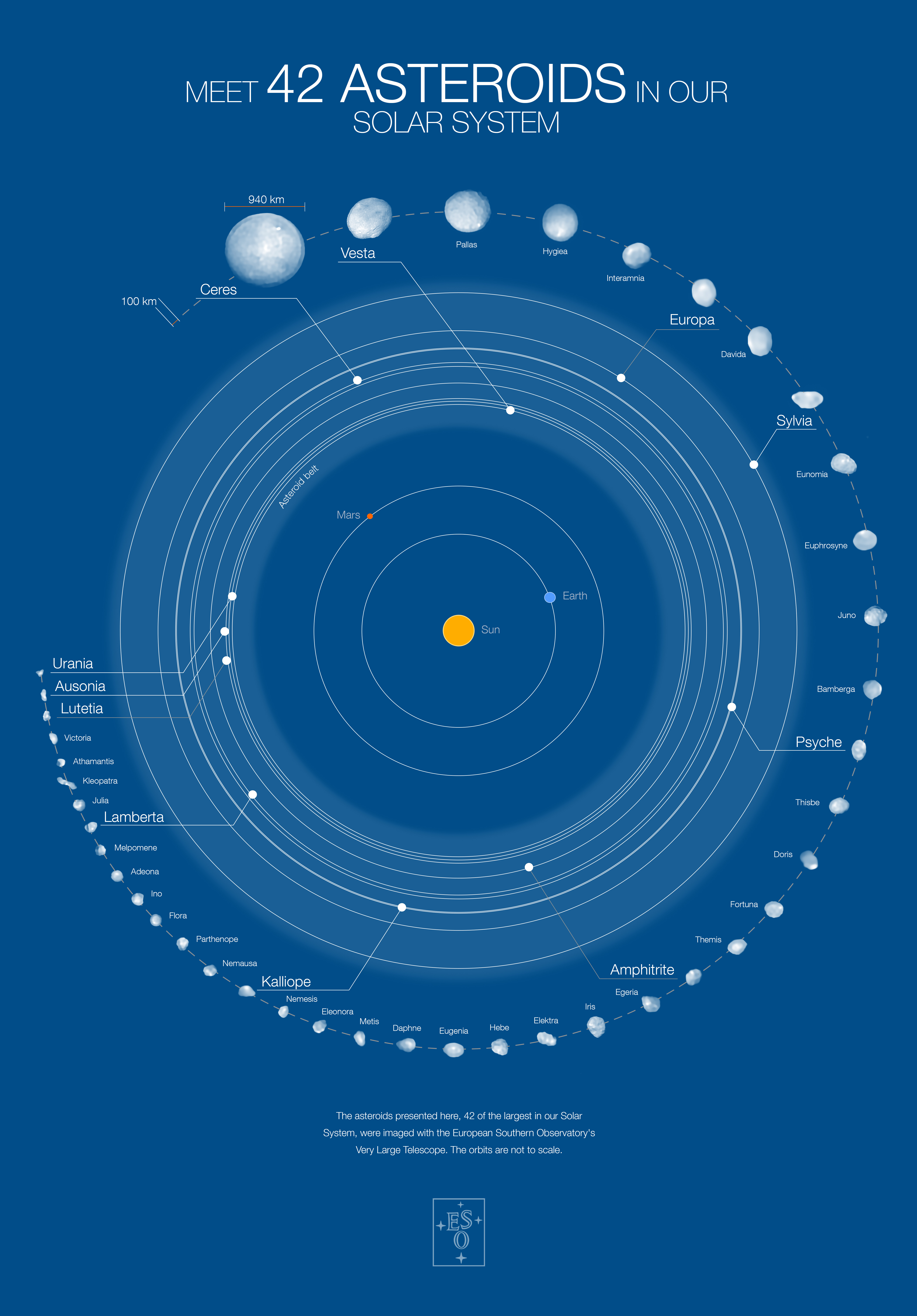
Before diving into some news about mining in space, I have a tidbit about something closer to Earth. I'm three chapters into writing the follow-up to my novel Rock Hopper, aptly named Rock Hopper 2. At least that's the working title. Yes, Toru, Vanja and Becka along with new/old friends/foes, are about to be pitted against a new ominous enemy. I think I'll stop right here, before giving too much away.
Since I'm writing about fictional asteroid miners, I'm naturally curious about what's happening within space mining in real life. First off, the moon sparked a lot of interest at the end of last year with the preparation for NASAs Artemis II mission, planned to reach the moon in the beginning of 2026. It's just a crewed lunar flyby, but It's the closest humankind will be to the moon since we walked its grey dust during the Apollo 17 mission in 1972. I'll come back to this particular dust later. Suffice to say that Artemis II will pave the way for a stronger presence on our neighbor in space, maybe even a permanent base. The thought gives me flashbacks to the tv series Space: 1999 (1975-1977) that takes place at the classy Moonbase Alpha. As you can see from the title, we're way behind schedule regarding a moon base.
Space: 1999: Season 1 Episode 1 - Breakaway (Full Episode)
But wait, there's more. Andrew Jones at space.com lists at least four different actors planning missions to the moon in 2026, not counting the Chinese robotic mission Chang'e 7. All of them testing different technologies critical for conquering the moon.
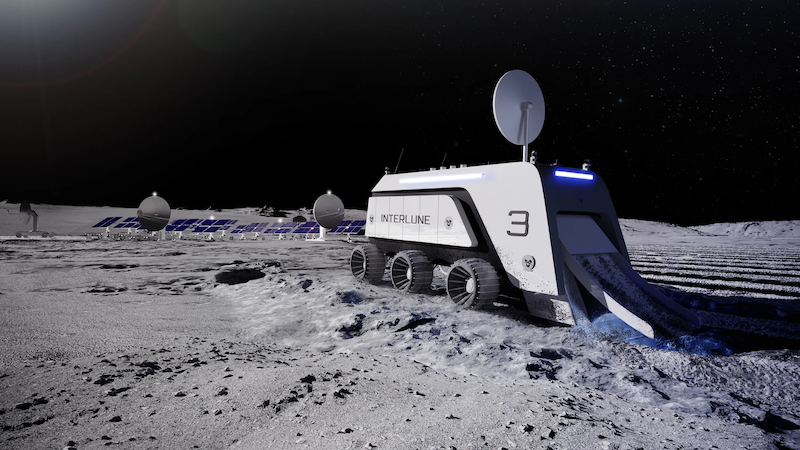
Now, what has all this to do with mining in space? Remember the grey dust on the moon I talked about? Turns out that the rare isotope helium-3 can be found embedded in that very dust. According to futurism.com, zmescience.com and cnet.com, helium-3 can be used to power fusion plants, cool quantum computers and detect smuggling of nuclear material, and will lead to a gold rush on the moon. Well, maybe even worse, since helium-3 is 150 times more valuable than gold. Currently, it's worth USD 20 million per kilogram. The mining company Interlune will be sending a multispectral camera with one of the missions to the moon in 2026, to find out exactly how much helium-3 that can be found there.
OK, so what about mining asteroids? Just as missions to Mars, the hype around asteroid mining has somewhat cooled down. Probably because we don't know enough about what asteroids really are made of, and that the technology for it is maybe decades away. However, sciencealert.com is highlighting a new study, published 1 January 2026 in the Monthly Notices of the Royal Astronomical Society, about the feasability of mining metal and rare earth element on asteroids. In short it says that—yes, seems worth the effort—and no, the tech isn't there yet. And of course, more samples and studies are required. I guess it's first the moon, then the asteroids and maybe Mars. If we don't annihilate ourselves on Earth in the meantime 😩.
You should also read:

New microbe in China's space station
Readers of my sci-fi novel Rock Hopper already know the perils of microbes running amok in space, especially on the dark side of the moon. Now, read this sciencealert.com article about a new microbe they have found on the Chinese space station. It should send…
Continue reading...
Printing in space
Space exploration poses a big logistical problem—apart from the other thousands of problems—in that you have to bring exactly what you need because of the weight, space and cost restrictions. And God help you, if your equipment breaks. Then you're out of luck. It could…
Continue reading...
What happens to Spaceport Sweden?
I stumbled across the web site Spaceport Sweden the other day, when doing some research about the Kiruna Airport. I was surprised to learn that the airport also has the ambition to become a spaceport, offering space flights with the Virgin Galactic. The web site…
Continue reading...